The early years of a child’s life are more than just a stage of growth—they’re a powerful time of learning, discovery, and development. What children experience in these first few years helps shape how they think, feel, and interact with the world around them.
That’s why early childhood education (ECE) matters so much—it lays the groundwork for lifelong learning, emotional strength, and social development.
1. The Brain Develops Rapidly in Early Years
From birth to age five, a child’s brain forms more than a million neural connections every second. Early experiences—like listening to stories, playing with others, or exploring new environments—help shape how the brain grows. Quality early education gives children the right stimulation at just the right time.
2. It Builds Social and Emotional Skills
Early childhood programs help children learn how to work with others, manage emotions, and develop empathy. In a group setting, children learn to share, take turns, follow instructions, and solve problems—skills that are just as important as academic knowledge.
3. It Encourages a Love for Learning
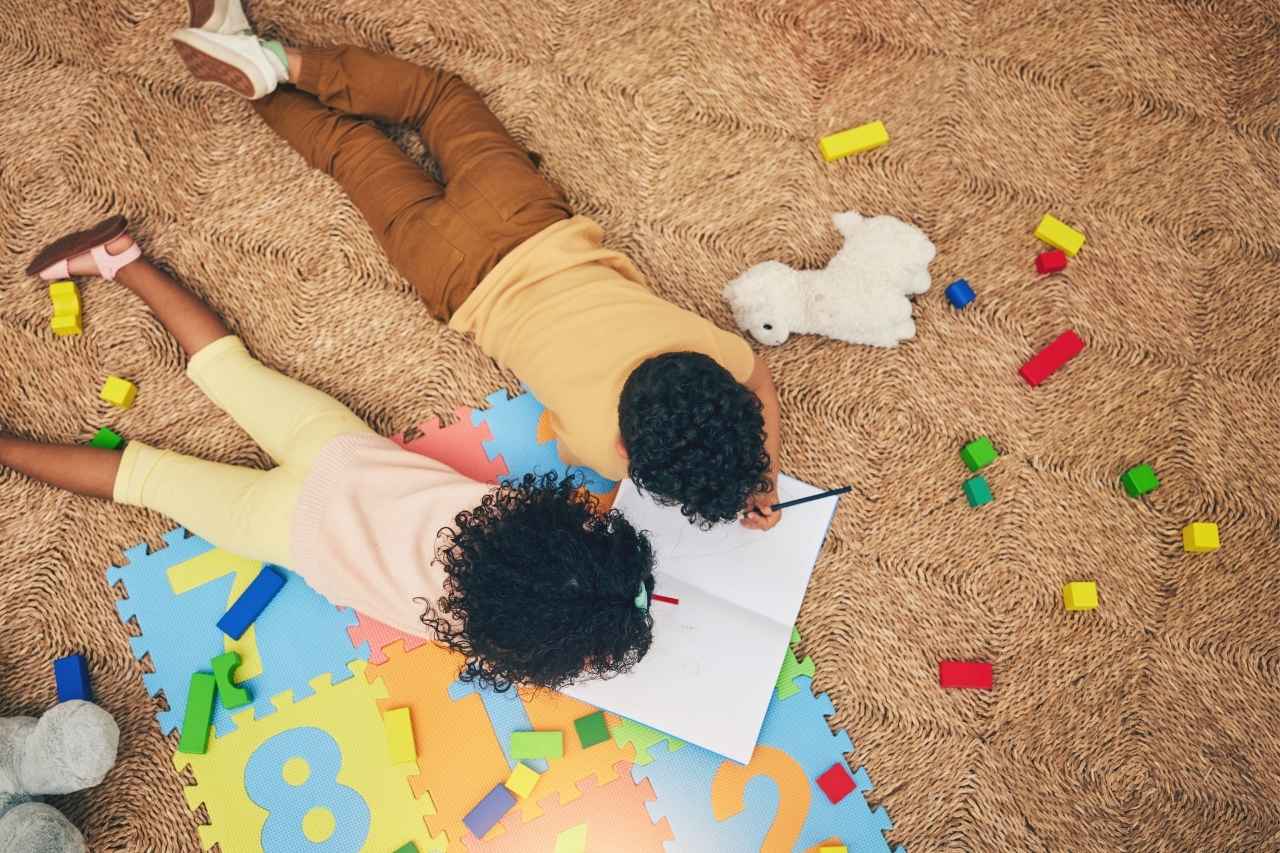
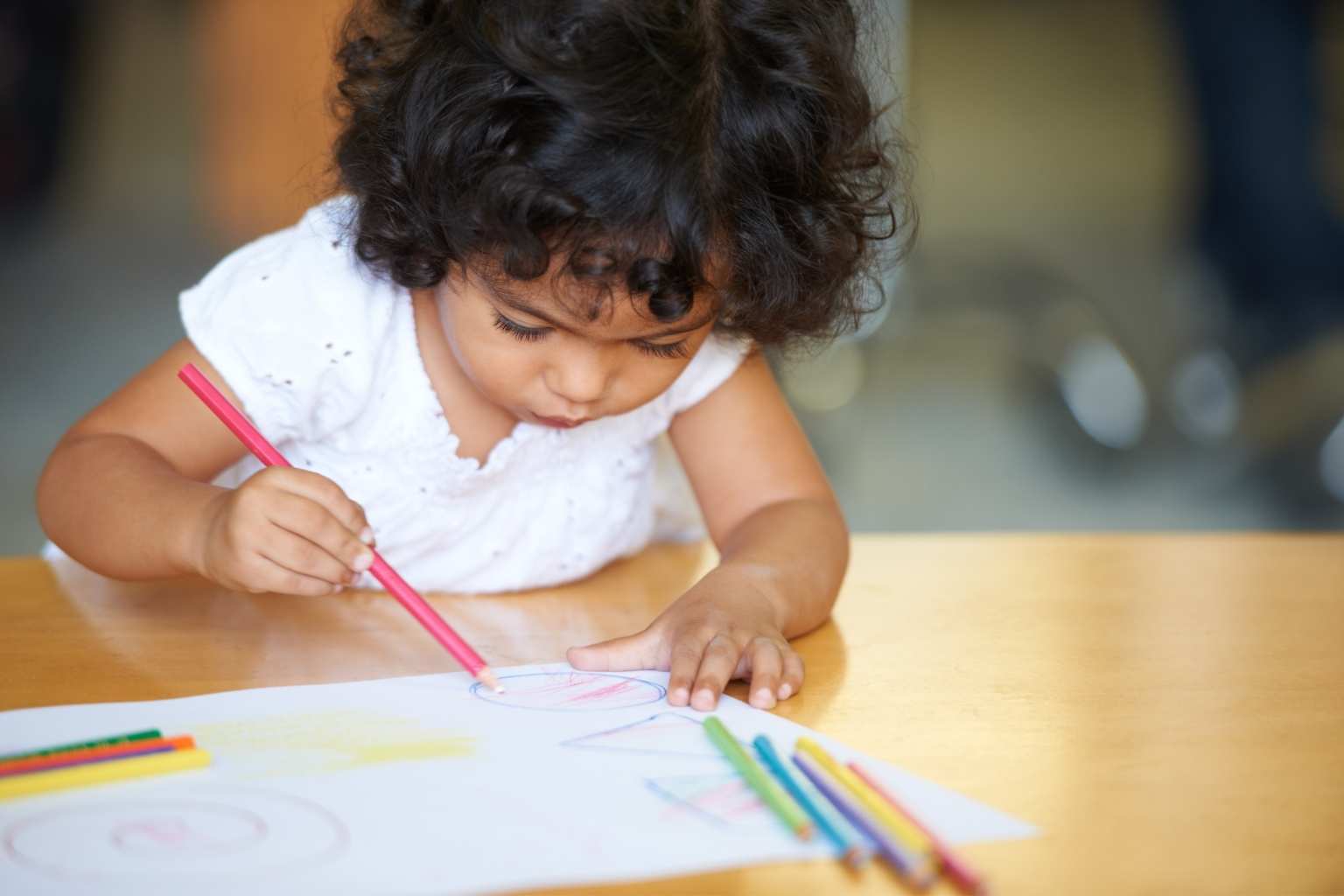
When children engage in fun, hands-on activities and are encouraged to ask questions and explore, they naturally develop a love for learning. This early curiosity sets the tone for how they’ll approach school and challenges later in life.
4. It Supports Language and Communication
In a language-rich environment, children hear stories, songs, conversations, and instructions all day. This exposure boosts vocabulary, listening skills, and confidence in expressing themselves.
5. It Prepares Children for School and Beyond
Children who attend high-quality early learning programs are often more prepared for kindergarten—academically, socially, and emotionally. This strong foundation helps reduce learning gaps and improves long-term success.
Choosing the Right Start Matters
As a parent, giving your child a strong early learning experience is one of the most valuable gifts you can offer. It’s not about pushing academics—it’s about nurturing their natural curiosity, building social confidence, and helping them feel safe and loved as they grow.